
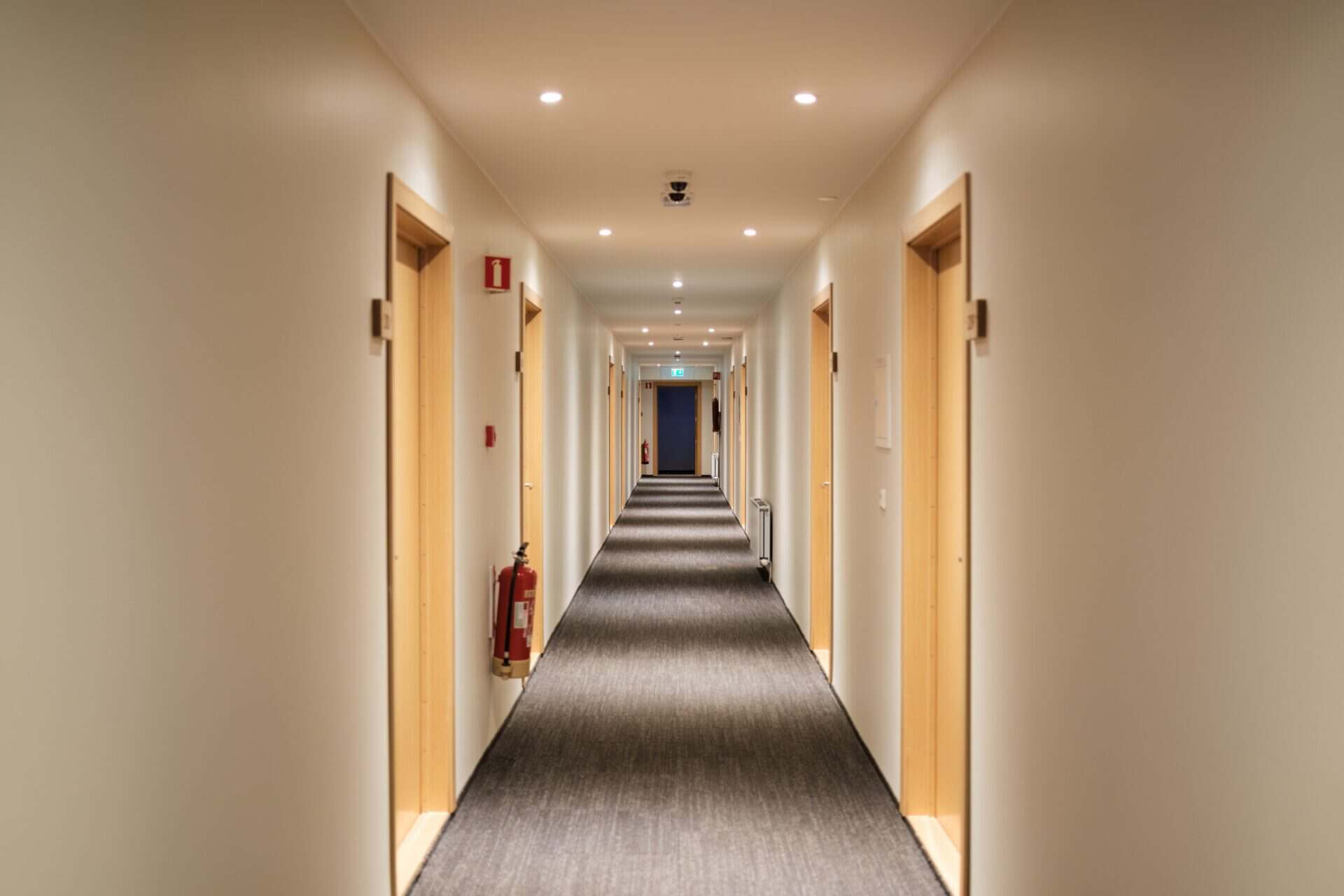
Fire Door Surveys in Middlesbrough
GND Group provides professional fire door surveys in Middlesbrough for residential developments, commercial premises, industrial buildings and managed properties. Our surveys assess the condition and operation of existing fire doors, helping landlords, managing agents, property owners and responsible persons identify defects that may require repair, remediation or further investigation.
Get A Free Quote
Professional Fire Door Surveys Across Middlesbrough
Fire doors form an important part of a building’s passive fire protection measures, but regular use, accidental damage, alterations and general deterioration can affect their condition over time.
GND Group provides detailed fire door surveys throughout Middlesbrough, assessing existing doorsets and identifying visible deficiencies that could affect their operation or ability to perform as intended.
A survey can consider areas including the door leaf, frame, gaps, hinges, seals, self-closing devices, glazing and associated ironmongery. Government fire door guidance highlights these areas as important considerations when checking the condition of fire doors.
Our surveys provide landlords, managing agents and building owners with a clearer understanding of the condition of their existing fire doors, allowing necessary repairs and remedial works to be planned rather than relying only on obvious defects or problems reported by building users.
Why Choose GND Group for Fire Door Surveys?
A useful fire door survey should do more than simply confirm how many doors are present within a building. It needs to identify deficiencies clearly enough for the client to understand where further attention may be required and begin planning an appropriate programme of works.
GND Group combines fire safety knowledge with more than 15 years of wider property and building services experience. This gives our team an understanding of both the technical requirements surrounding fire doors and the practical challenges faced by landlords, managing agents and organisations responsible for occupied premises.
Our broader passive fire protection capability also means that where surveys identify issues requiring further work, clients have a clear route for progressing those requirements through one accountable provider.
What Does a Fire Door Survey Look For?
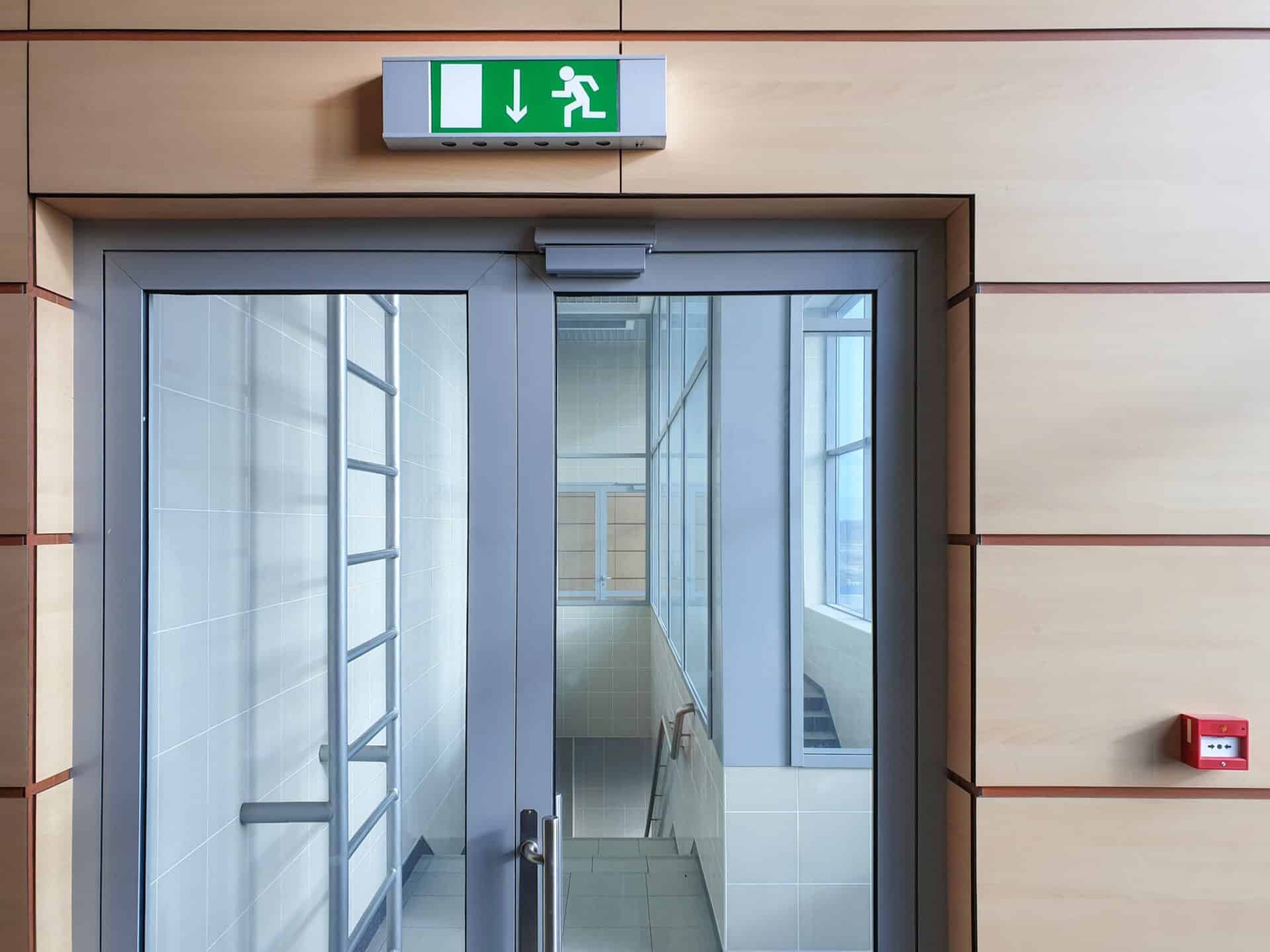
A fire door is a complete assembly rather than simply the door leaf itself. Its condition can therefore be affected by several components, all of which need to work together correctly.
During a survey, attention may be given to visible damage to the door or frame, gaps around the door leaf, the condition of hinges and seals, self-closing arrangements, glazing and other relevant ironmongery. The door’s ability to close correctly into its frame is particularly important because a fire door cannot provide its intended protection if it remains partially open.
Government guidance for relevant residential buildings specifically highlights visible damage, gaps around the frame, correctly fitted seals and hinges, and whether the door closer successfully closes the door into its frame.
By recording these types of deficiencies systematically, a survey can help property managers understand the scale of any required works across the building.
Fire Door Surveys for Residential and Commercial Buildings
Fire doors are found throughout many different types of premises, and the demands placed on them can vary considerably.
Within apartment developments, doors may protect flat entrances, corridors, staircases, communal areas, risers and service cupboards. Commercial properties can contain fire doors between offices, corridors, plant areas, storage spaces and different sections of the building, while industrial premises can present further operational and access considerations.
GND Group provides fire door surveys for suitable buildings throughout Middlesbrough, adapting our approach around the layout and use of the individual property.
This is particularly important within larger developments where dozens or potentially hundreds of doors may need to be assessed. A structured survey provides a more organised picture of existing conditions, allowing deficiencies to be grouped, prioritised and used as the basis for a planned programme of work.
Our wider property experience also helps us understand the importance of coordinating access and minimising unnecessary disruption when surveys are undertaken within occupied buildings.
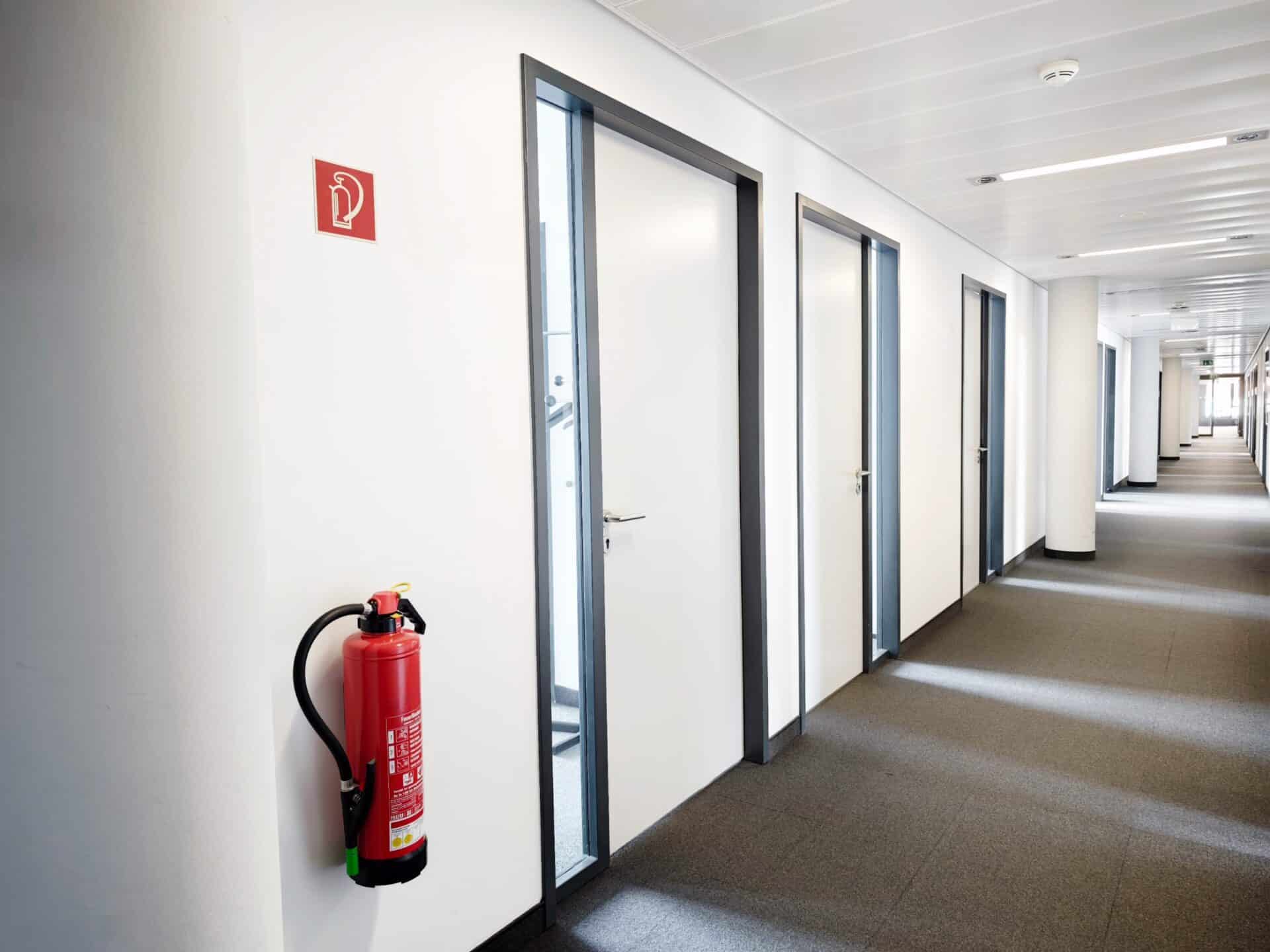
Discuss Your Fire Door Survey Requirements
If you need to establish the condition of existing fire doors within a residential, commercial, industrial or managed property, GND Group can provide a structured survey designed to identify deficiencies and help clarify the next steps.
Our Middlesbrough-based team understands the practical requirements involved in assessing doors across occupied buildings and larger property portfolios, with surveys organised around the individual premises and access requirements.
Whether concerns have already been identified or you need a clearer overview of existing fire doors, get in touch with GND Group to discuss your requirements and arrange a quotation.
Frequently Asked Questions
Find answers to some of the most common questions we receive about fire door surveys, inspections and dealing with identified defects in Middlesbrough.
A fire door survey assesses the condition and operation of existing doorsets and identifies visible deficiencies that may require further attention. Depending on the doors and property, areas considered can include the door leaf, frame, gaps, hinges, seals, self-closing devices, glazing and associated ironmongery. The survey provides a more structured picture of existing conditions than relying only on faults noticed through everyday use. Where a building contains a large number of doors, recorded findings can then be used to organise subsequent work according to the defects identified. If the survey shows that existing doors can be improved rather than replaced, GND Group’s Fire Door Remedial Works can provide a planned approach to addressing suitable deficiencies across individual doors or larger programmes.
Many survey findings may relate to individual defects or components rather than meaning the complete doorset automatically needs replacement. Whether a repair is appropriate depends on the particular issue, the condition of the existing door and whether suitable work can address the deficiency identified. Problems may involve components such as closers, hinges, seals, ironmongery or other areas affecting the condition and operation of the door. Some doors may require relatively targeted attention, while others can need more extensive remediation. GND Group provides professional Fire Door Repairs for suitable defects identified during surveys and inspections. Having survey and repair capabilities available through the same provider can give landlords and managing agents a clearer route from identifying a problem through to completing the necessary corrective work.
The primary focus of a fire door survey is the condition of the doors being assessed, but fire doors are commonly positioned within fire-resisting walls that form part of the building’s wider compartmentation strategy. Concerns around the surrounding construction may therefore require separate investigation where they are identified or suspected. Effective passive fire protection depends on doors, walls, floors and associated openings working together rather than being treated as completely unrelated elements. GND Group provides dedicated Fire Compartmentation Services for properties where deficiencies affecting fire-resisting walls, floors or compartment lines require further attention. This wider capability can be particularly useful following building surveys where problems involving both existing fire doors and surrounding passive fire protection measures have been identified within the same premises.
A Fire Risk Assessment and a detailed fire door survey serve different purposes. A Fire Risk Assessment considers the wider fire hazards, risks and precautions present throughout the premises and can identify concerns associated with fire doors. A dedicated fire door survey focuses more specifically on assessing the condition of existing doorsets and recording individual deficiencies that may require attention. Depending on the building and findings, one assessment may therefore identify the need for more detailed investigation in another area. GND Group provides professional Fire Risk Assessment services alongside our fire door surveys, allowing landlords, managing agents and responsible persons to access both wider fire safety assessment and more focused door inspections where appropriate. This can help create a clearer picture of overall fire safety requirements throughout the property.
Fire doors often sit within fire-resisting walls that can also contain pipes, cables, ducts and other building services. If unsuitable openings or penetrations are identified within the surrounding construction, these can require separate attention as part of the wider passive fire protection arrangements. Fire stopping is used to protect appropriate penetrations through fire-resisting walls and floors, helping maintain continuity around building services. GND Group provides professional Fire Stopping Services for relevant defects discovered during surveys, assessments or wider building investigations. Having access to both fire door and fire stopping services can be useful for clients managing larger buildings where several different types of passive fire protection issue are identified. Each deficiency can then be considered according to the element of the building affected rather than treating all concerns as fire door defects.
GND Group provides professional fire door surveys throughout Middlesbrough, Teesside and the wider North East for landlords, managing agents, building owners and organisations responsible for suitable residential, commercial and industrial premises. Surveys can cover anything from a relatively small number of doors to larger developments containing extensive communal areas, multiple floors or significant property portfolios. The scope can be planned around the building and the number of doors requiring assessment, with consideration given to access where premises remain occupied or operational. If you are uncertain about the condition of existing fire doors, have limited records from previous works or need to establish a clearer programme of future repairs and remediation, get in touch with GND Group to discuss your property and arrange the next stage.