
Fire Stopping Services in Middlesbrough
GND Group provides professional fire stopping services in Middlesbrough for commercial buildings, managed residential properties, industrial premises and other environments requiring dependable passive fire protection. Our team addresses suitable openings and service penetrations within fire-resisting walls and floors, helping maintain the integrity of compartment lines throughout the building.
Get A Free Quote
Professional Fire Stopping Across Middlesbrough
Modern buildings contain extensive networks of pipes, cables, ducts and other services that frequently pass through walls and floors. Where these elements form part of a fire-resisting compartment, the openings created around building services need to be appropriately protected.
Fire stopping is used to help reinstate the fire resistance of these areas and maintain the continuity of the surrounding compartment line. Without suitable treatment, unprotected openings can potentially provide routes through which fire and smoke can spread between different parts of a building.
GND Group provides professional fire stopping throughout Middlesbrough for landlords, managing agents, property owners and organisations responsible for residential, commercial and industrial buildings.
Our approach considers the individual penetration, surrounding construction and wider passive fire protection requirements rather than treating every opening in exactly the same way.
Why Choose GND Group for Fire Stopping?
Fire stopping needs to form part of a properly considered passive fire protection strategy. Simply filling a visible opening does not necessarily mean the surrounding compartment line has been appropriately restored.
At GND Group, we provide a structured approach to fire stopping projects throughout Middlesbrough, combining quality workmanship with project management and clear documentation. Our wider background in property and building services also gives us an understanding of the practical considerations involved when completing fire safety work within occupied and operational premises.
Whether work is required following a survey, Fire Risk Assessment, refurbishment project or investigation into existing compartmentation, we can help establish a suitable programme based on the deficiencies identified.
Where Is Fire Stopping Commonly Required?
Service penetrations are found throughout most modern buildings. Electrical cables, pipework, ventilation systems and other building services may need to pass between rooms, floors or separate areas of a property, creating openings within walls and floors.
Where those walls or floors form part of a fire-resisting compartment, the penetration needs to be considered carefully so that the intended protection of the surrounding construction is maintained.
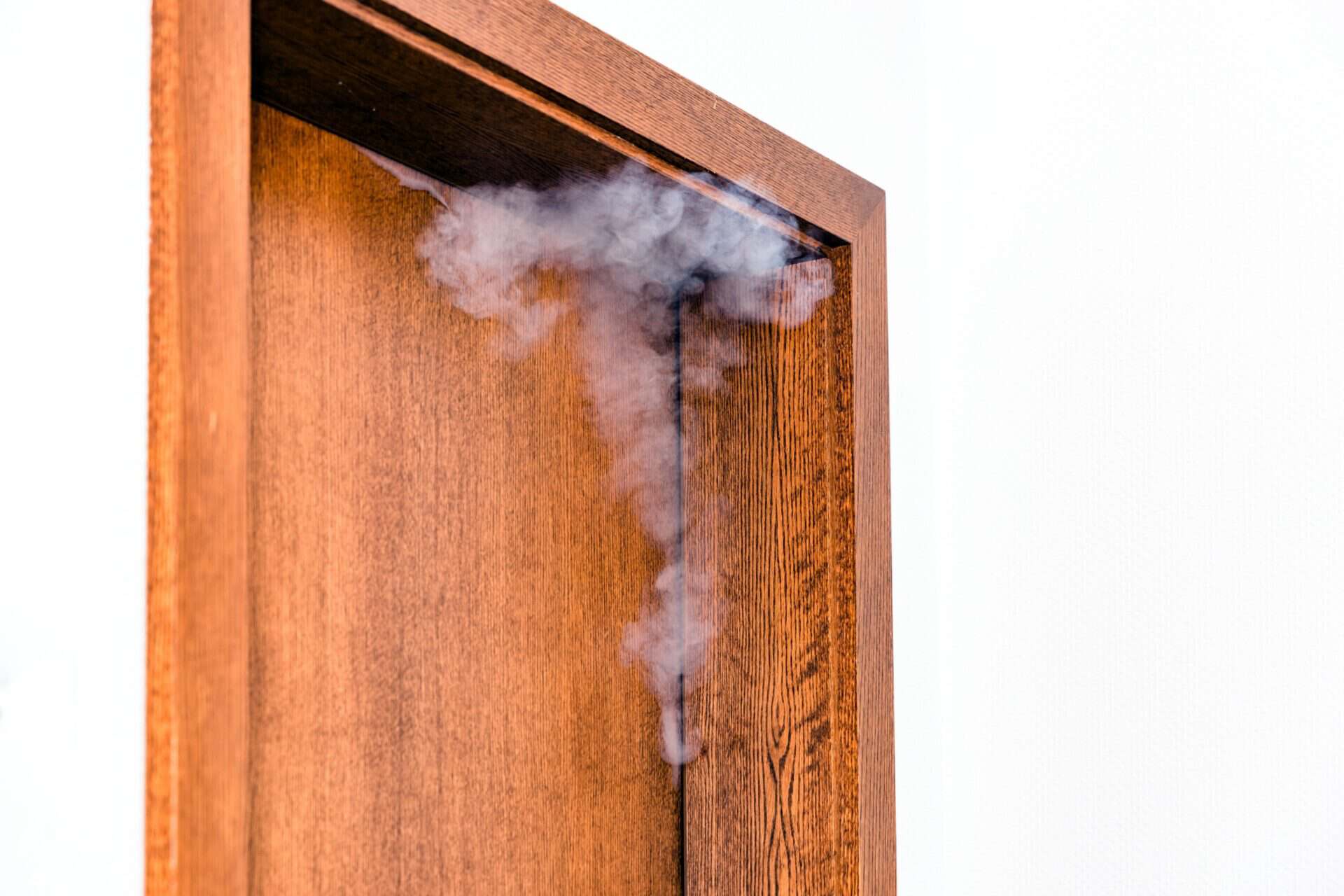
Potential areas requiring attention can include service risers, plant rooms, ceiling voids, utility cupboards, corridors, communal areas and locations where new services have been installed as part of refurbishment or maintenance work.
Older buildings can also contain penetrations created through years of alterations, with later services sometimes installed through existing fire-resisting construction.
Fire Stopping Within Occupied and Operational Properties
Passive fire protection works often need to be completed without completely closing the building. This is particularly common in apartment developments, offices, managed properties and commercial premises where residents, employees or visitors continue to use the building throughout the project.
GND Group plans works around these practical requirements. Access arrangements, occupied areas and normal building operations can be considered when organising the sequence of the project.
Where numerous defects have been identified, completing work in planned phases can provide a more organised approach and reduce unnecessary disruption.
This is also important where penetrations are located within service cupboards, communal areas, plant spaces or other areas where coordination with building managers or maintenance teams may be required.
Our broader experience across property and building services helps us combine passive fire protection requirements with the practical considerations involved in working safely and professionally within occupied premises.
Discuss Your Fire Stopping Requirements
If an inspection, survey, Fire Risk Assessment or ongoing building work has identified unprotected penetrations or other concerns within fire-resisting construction, GND Group can help establish the appropriate next steps.
We provide professional fire stopping services throughout Middlesbrough for residential developments, commercial premises, industrial buildings and managed properties, with projects delivered through a structured and accountable process.
Whether the requirement involves isolated defects or a larger remedial programme, our team can help you understand the work required and coordinate the project around the needs of the building.
To discuss identified defects, upcoming works or your wider passive fire protection requirements, get in touch with GND Group.
Frequently Asked Questions
Find answers to some of the most common questions we receive about fire stopping, compartmentation and passive fire protection in Middlesbrough.
Fire stopping is used around suitable openings and service penetrations passing through fire-resisting walls and floors. Buildings regularly require pipes, cables, ducts and other services to move between different areas, and these can create openings within construction intended to restrict the spread of fire and smoke. Appropriate fire stopping helps maintain the continuity of these barriers as part of the wider passive fire protection strategy. It therefore works closely alongside walls, floors and other elements that divide a property into separate fire-resisting areas. Where there are concerns about the condition of the wider barriers rather than individual penetrations alone, GND Group also provides professional Fire Compartmentation Services to help identify and address deficiencies affecting compartment lines throughout residential, commercial and managed buildings.
Potential fire stopping deficiencies can be discovered during planned inspections, refurbishment projects, passive fire protection surveys or wider investigations into the building. They may also be highlighted when a responsible person reviews fire safety arrangements across the premises. Common areas of concern can include openings around cables, pipes and other services within walls and floors, particularly where later alterations have created new penetrations through existing fire-resisting construction. Some issues may be concealed above ceilings or within risers and service areas, meaning they are not necessarily visible during normal occupation of the building. Where broader fire safety concerns need to be considered, a professional Fire Risk Assessment can help responsible persons understand existing risks and identify areas where further investigation or corrective action may be required.
Yes. Fire doors, fire stopping and compartmentation can all form connected parts of a building’s passive fire protection arrangements. Fire-resisting walls and floors divide the building into separate areas, while fire doors protect suitable openings that allow people to move between them. Fire stopping addresses appropriate penetrations created where building services pass through the same fire-resisting construction. A deficiency in any one of these areas can therefore affect the wider protection intended within that part of the building. If concerns exist about the condition of existing doors as well as surrounding penetrations, GND Group can provide detailed Fire Door Surveys to identify door defects and help establish whether repairs, remedial work or further action may be required alongside the wider passive fire protection programme.
Yes. Fire stopping deficiencies are often discovered alongside other passive fire protection issues, particularly following surveys, refurbishment works or wider building investigations. In these situations, combining related works into a coordinated programme can make the project easier for landlords, managing agents and building owners to organise. For example, defects may be identified within service penetrations while separate issues are found with fire doors positioned within the same compartment lines. Where existing doors are suitable for improvement rather than complete replacement, our Fire Door Remedial Works can be planned alongside relevant fire stopping requirements. Taking a joined-up approach allows different aspects of the building’s passive fire protection to be considered together rather than organising unrelated contractors for every individual defect discovered during an inspection or assessment.
Where defects with fire doors are identified alongside fire stopping requirements, it may be possible to coordinate both elements as part of a wider passive fire protection programme. The appropriate solution for a defective door depends on the condition of the complete doorset and the nature of the issue identified. Some problems may be suitable for targeted repair, while others may require more extensive remediation or replacement. GND Group provides professional Fire Door Repairs alongside our fire stopping work, giving landlords, building owners and managing agents access to several connected fire safety services through one provider. This can be particularly beneficial within apartment blocks, commercial premises and larger managed buildings where an inspection may identify multiple types of deficiency across doors, walls, floors and service penetrations.
GND Group is based in Middlesbrough and provides professional fire stopping services throughout Middlesbrough, Teesside and the wider North East. We work with landlords, managing agents, property owners and organisations responsible for residential developments, commercial buildings, industrial premises and other managed properties. Projects can range from small numbers of identified penetrations through to larger remedial programmes covering several floors, blocks or areas of the same building. Our wider passive fire protection capabilities allow connected requirements to be coordinated through one accountable team where appropriate. If fire safety concerns have already been identified and you need help establishing the required works, get in touch with GND Group to discuss your property, the areas affected and the next stage of your project.